
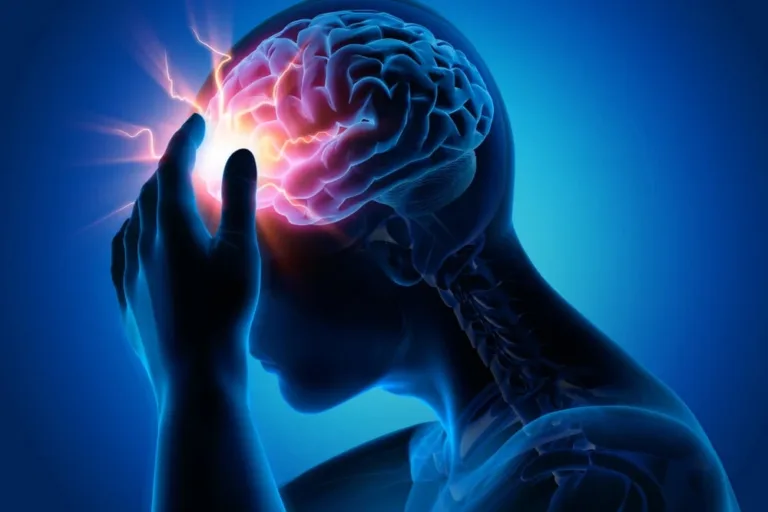
Blinding, debilitating, skull buster, throbbing, pounding are just a few descriptors of the headaches experienced by nearly 75 percent of the world’s adults who had them in the last year. Amazingly, there are over 150 kinds of headaches, from sinus and morning headaches to seasonal clusters and migraines, all falling under two main categories: episodic, experienced 1 to 14 times a month and chronic 15 or more times a month. Whatever kind of headache you experience, there’s a better way of dealing with it than toughing it out or wishing it away. Recognizing what causes your headaches and reducing the risks could prevent them or at least reduce their frequency.
General Headache Triggers
- Allergens
- Smell of perfume, paint and gasoline
- Skipping a meal or not eating regularly
- Change in sleeping habits
- Aged and fermented foods that contain tyramine- including many tap and home-brewed beers and red wine, vermouth, sherry and some liqueurs all have high amounts of tyramine. See if switching over to white wine or spirits such as rum, vodka or gin is less of a migraine trigger. If that doesn’t work, consider limiting or omitting alcohol.
- Certain hairstyles- Tight ponytails, French braids, cornrows, a tight topknot or headband can all exert pressure on the scalp.
- A change in barometric or atmospheric pressure such as altitude, gray skies, high humidity, rising temperatures and storms are common pressure changers.
Suggestion: Keep a diary, noting any significant headache or habitual headaches you might experience. Once you identify a trigger, you can potentially avoid or treat it.
Reducing Risks of Headaches
- Regular strength training and high-intensity aerobic exercise, like racket sports, swimming and walking up and down hills, have been found to limit the number of headaches people get.
- Reduce stress through behavioral therapies. Progressive muscle relaxation — where you concentrate on relaxing each set of muscles in your body, one by one — has been shown to reduce headache frequency and severity by 45 to 60 percent, according to the American Migraine Foundation.
- Dehydration leads to more frequent headaches, so drink plenty of water.
- Avoid processed foods that contain high levels of nitrates, artificial sweeteners and monosodium glutamate (MSG). Whole foods like green vegetables, fruits, chickpeas and lentils are beneficial.
- Studies have shown that Vitamin B2, magnesium and omega-3 fatty acids prevent many headaches.
- Red wine is often the cause of a headache.
- Limit coffee intake.
- Improving your posture can help reduce headaches. Even when riding a bike, avoid being too hunched over.
- If you grind your teeth while sleeping, see about getting a custom-made mouth guard.
The “Mother of All Headaches”
Each year one in 10 adults experience migraines, believed to be a genetic neurologic disease, according to research in the journal Neurology and Neuroscience. Neurologists and headache specialists have found that women are two to three times more likely to experience them than men, and symptoms often evolve with age, especially after menopause, as the monthly rise and fall of hormones is a common trigger. In younger people, migraines often manifest as a pulsating ache on one side of the head, which may shift to both sides as the person ages. However, older people are also less likely to be light- and sound-sensitive or to have other traditional migraine symptoms, such as nausea and vomiting.
People often complain that summer weather, including sunlight glare, high humidity, extreme heat and dry air, can trigger their migraines. Migraine sufferers have highly reactive brains that do not respond well to changes in light, temperature, sound or even smell. Many neurologists believe that the central nervous system of migraine patients is more sensitive to certain disruptions.
When to See a Doctor
Headaches can be your body’s way of saying something else is wrong. See a doctor if:
- You start getting them and they become more prevalent or come with different symptoms than before
- You’re an older adult with frequent headaches. It could be a sign of an underlying health condition, such as sleep apnea or medication interactions.
You’re suddenly struck with the worst headache of your life and experience weakness, numbness or a vision change that comes on quickly. Seek emergency care. These can be signs of a stroke or brain aneurysm.
Recent Comments