

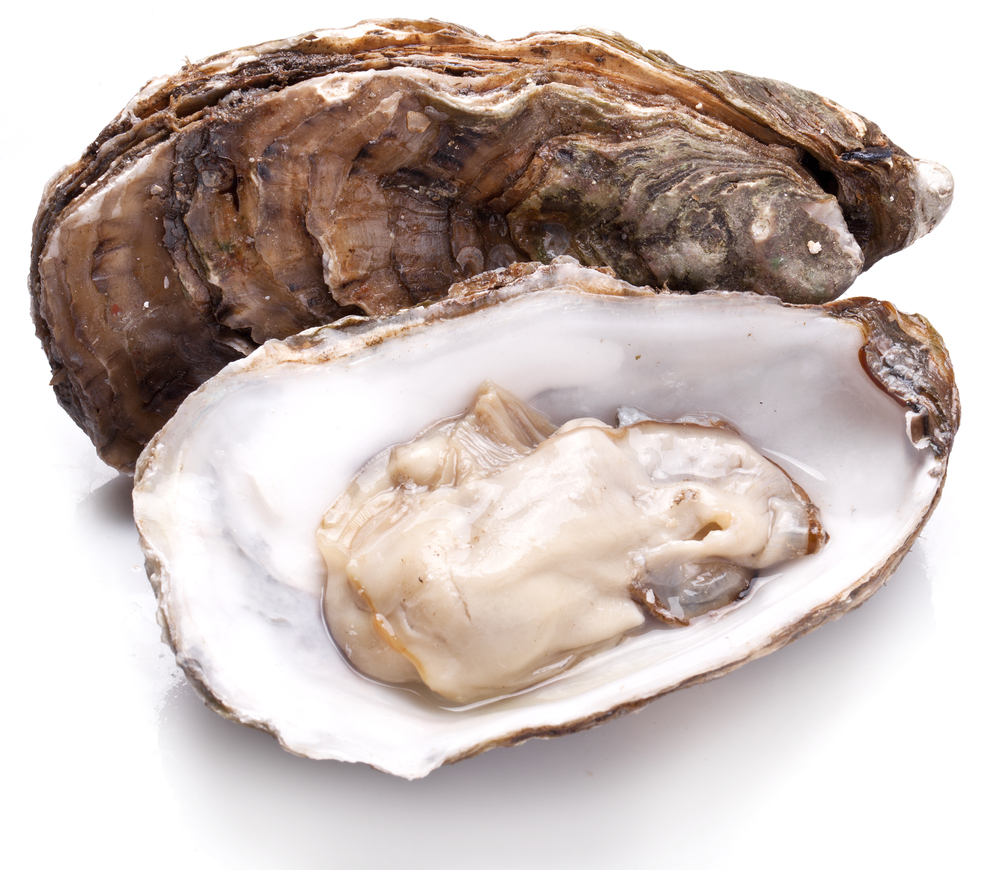
There are three kinds of oyster-eaters: those who eat them only raw, those who won’t eat them any way but cooked, and those who eat them both ways. I fall into the latter category and am fortunate to live in one of the top three oyster-producing states in the nation. Each year since 1952, Louisiana has produced 30 to 45 percent of the nation’s domestic supply of oysters. In fact, last year the state was ranked number one in the nation.
For generations, oyster farming has been a practice of seeding, tending to and harvesting oyster beds on the water’s bottom. It’s a science where oyster farmers have to find the right combination of salinity and freshwater. If the water is too salty, the baby oysters will be eaten by predators, and if the water is too fresh, they will die.
Interesting Fact: Oyster “spats” are tiny, young oysters that have permanently attached to a surface, marking the transition from a free-swimming larva to a growing oyster. They are the juvenile stage of oysters
According to Elizabeth M. Robinson, Ph.D., Director of Louisiana Sea Grant Research Lab and the Michael C. Voisin Oyster Hatchery, there are 400,000 acres of private leases and 1.7 million acres of public oyster grounds in the state with only portions of those productive because of naturally occurring changes in coastal habitats, natural disasters and freshwater from the Mississippi River during high flood years. She says less resource availability is also the reason for the drop in the number of licensed oyster harvesters, a number that peaked in 2014 at over 1,400 but has declined to 582 in 2024.
Still, reported landings in 2024 were 991,263 sacks up 5.7% from 2023. This equates to approximately 6,413,472 pounds of oyster meat, a value of $53.9 million
Hurricanes inflict huge damage to oyster reefs, and heavy rains can dilute the salt content of the water, killing oyster crops. Off-bottom cage cultivation is slowly becoming a way to help build resiliency in the industry under threat. In this process, oysters are cultivated in a string of floating cages instead of on the water’s bottom. Robinson says the economic impact and number of oysters produced/sold is not yet well known.
To Eat or Not Eat Them in an “R” Month
This rule dates back centuries in the days before refrigeration, when summer months posed a risk for shellfish spoilage and foodborne illnesses. Today with modern advancements in oyster farming, carefully regulated by the state, – and with refrigeration – the “R” months are best, but not for the reason originally thought. It’s more of a guideline for enjoying the best quality oyster. The briny bivalves spawn in warmer waters, and during this time, they can become softer, more watery and less flavorful. They hibernate in the winter and to survive their dormancy, they fatten up, feeding on algae in late fall. As a result, they get plump, creamy and sweet, then live off their reserve. The colder waters contribute to a cleaner, crisper taste, often preferred by oyster lovers. By early spring, they are emaciated. In Louisiana, oyster season is year-round, but most oysters taste best from November through February (some will argue through April) Louisiana eastern oysters are said to taste like brine and broth with a sweet-corn finish.
Delcambre Direct Seafood sells delicious frozen oysters (at the peak of their season) on the halfshell, all ready for chargrilling.
Recognizing Fresh Oysters
-Their shells should be tightly closed.
-An oyster should be plump and opaque, filling the shell.
-Fresh oysters don’t have a fishy smell.
How to Store Them
Live oysters should be consumed or frozen within 7-10 days from the day of harvest. If you’re not eating oysters immediately, keep them in the refrigerator, flat side up, covered with a damp cloth. This helps maintain their freshness until you’re ready to enjoy them.
Oysters Air Fryer
Ingredients:
1 lb. (2-doz.) Louisiana shucked oysters
½ c all-purpose flour
1 Tbsp Cajun Mais Palm seasoning blend
½ tsp ground mustard
½ tsp. salt
½ tsp. black pepper
1 large egg
2 Tbsp. whole milk
1 ½ cup breadcrumbs
Melted garlic butter, or other condiments for dipping sauce
Directions:
Preheat the air-fryer to 400 degrees. Rinse oysters and pat dry with a paper towel. In a bowl, combine flour, seasonings, and salt & pepper.
In a separate bowl whisk the egg and milk. In the third bowl, add breadcrumbs. Dredge oysters in flour mixture, then dip in egg wash, and coat with breadcrumbs.
Spray the air-fryer basket lightly with cooking spray. Place oysters in a single layer in the basket and adjust the temperature to 350 degrees.
Cook for 4 minutes, then flip and cook for another 4 minutes on the other side. Serve with melted garlic butter or other favorite condiments for dipping.
Recent Comments