

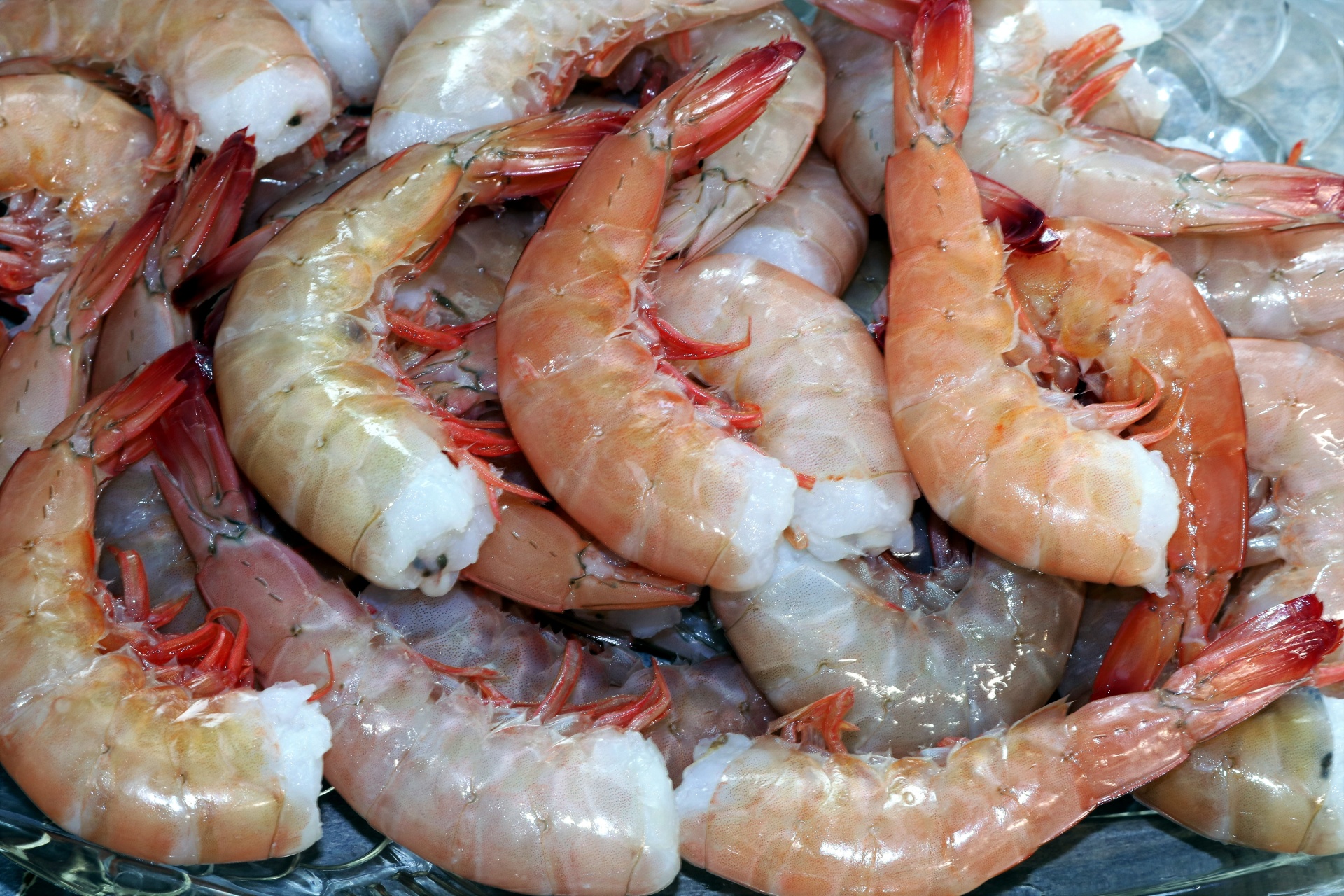
Shrimp are the king in Delcambre – especially in the month of August. The Shrimp Festival , this year held August 14-18, offers up a feast of shrimp-focused dishes, including boiled shrimp, shrimp etouffee, shrimp salad, popcorn shrimp and fried shrimp…It’s a little beyond even Bubba Gump’s imagination.
In the past month, fishermen with boats big enough to go into the Gulf (since inland spring season closed July 1) have been pulling in a glut of shrimp – 21/25’s, 16/20’s, and some larger. It’s quite a different scenario from last year. We can only hope the same for the fall white shrimp season which opens mid-August and runs to mid-December.
Shrimp seasons are determined by Louisiana Wildlife and Fisheries biologists and managers based on the crustaceans’ annual life cycles and growth rates, which are greatly influenced by environmental conditions. Biologists continually monitor the conditions and shrimp populations at hundreds of sample locations in Louisiana’s marshes, coastal lakes and bays. They count, identify, and measure a random selection of shrimp and record data like water temperature, salinity, and oxygen levels. The data is compiled and used to project when the majority of the shrimp population, within each basin, will reach market size. These projections determine when and where to open and close the shrimp fishery, so that fishermen have productive shrimping trips.
Types of Local Shrimp
White Shrimp
The most common Gulf shrimp, whites, are found in less salty places, like brackish estuaries and bayous, making their flavor milder with a natural sweetness. As a result, they soak up seasonings and sauces really nicely, making them best boiled, sautéed, or in soups and dishes like étouffée and shrimp scampi.
They are in season early spring and late fall.
Brown Shrimp
Brown shrimp are also very common and found further offshore than white shrimp. Their peak season is summer. Because of their robust, briny flavor, brown shrimp make great additions to heartier dishes like gumbo and jambalaya, and are excellent for grilling.
Nutritional Value
According to nutritionists, three ounces of shrimp contain about 23% of the daily recommended intake of iodine. Iodine is important for the health of your thyroid, and if you have an iodine deficiency, eating a reasonable amount of shrimp may help to keep your thyroid functioning properly. Shrimp are also a great source of protein, omega 3 and 6 vitamins, as well as vitamins D and B12. They contain a major antioxidant compound called astaxanthin and compared to other seafood, shrimp have a very low concentration of mercury. Of all the seafood, shrimp is the third highest source of taurine, an amino acid with health protective benefits.
Shrimp Dip
Ingredients:
1 (8 oz.) pkg. cream cheese
1 can tomato soup
1 cup shrimp stock
1 small onion, grated
1/2 green or red bell pepper, grated
1 cup real mayonnaise
2 lbs. shrimp peeled, deveined
Tabasco sauce, to taste
2 pkg. unflavored gelatin
Directions: Rinse peeled shrimp and place in a pot of seasoned water (enough to cover the shrimp.) Boil until pink and tender. Chop when cooled. Reserve the liquid after draining shrimp (for stock).
In a saucepan, soften the cream cheese over low heat. Add tomato soup and ½ cup shrimp stock. Simmer for 10 minutes. Let cool. Add mayonnaise, onion, bell pepper, shrimp, and seasoning to taste.
In a small saucepan, add another ½ cup shrimp stock and the gelatin. Stir over low heat until gelatin is dissolved. Add to shrimp mixture. Spray the mold with cooking spray. Pour shrimp mixture into the mold. Refrigerate to congeal, at least 5 to 6 hours before serving. Turn mold out onto a platter and serve with crackers.
Recent Comments