
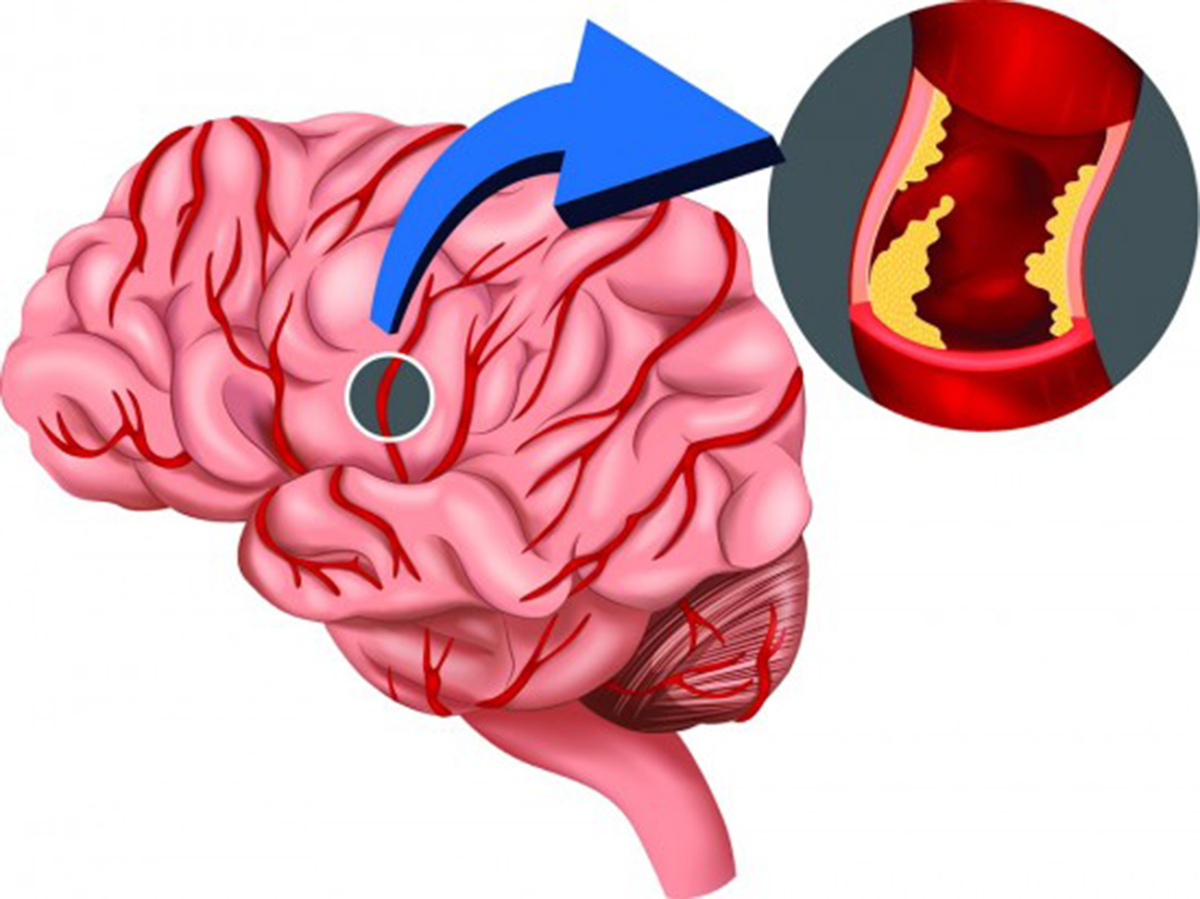
Louisiana, a sportsman’s paradise, known for its festivals and great food, has also earned the grim association of being in the “stroke belt,” an area in the Southeast region of the country with significantly higher stroke death rates than the national average. According to the American Heart Association, Louisiana is the #4 state with the highest stroke death rate in the country, with 45.8 deaths per 100,000 people.
We can improve this statistic by managing risk factors and knowing how to identify a stroke at its onset.
Risks Factors for Stroke (One will surprise you)
-Heart diseases, such as atrial fibrillation and heart valve defects
-Type 1 and Type 2 diabetes; high blood sugar levels can damage blood vessels and nerves.
-Smoking- However, quitting is one of the most effective measures, with immediate health benefits.
-Excessive drinking
-High cholesterol and blood pressure
-The risk of having a first-time stroke is much higher for Blacks and Hispanics.
-Irregular Sleep Habits- Avoid falling asleep and waking up at different times.
–Loneliness– A new study conducted on people 50 years and over shows that “chronic” loneliness can contribute to a 56% increased risk for stroke, due to an increase in the cortisol level and bad health habits.
-Chronic stress- A study in the Medical Journal Neurology showed that women 18-39 years who experienced moderate to high stress suffered a cryptogenic stroke. Men and older participants were not affected. The study revealed that stress triggered increased inflammation, blood vessel dysfunction and changes in blood clotting.
Spotting a Stroke (And Keeping Track of Time)
Not all strokes present the same way. You might suddenly have trouble texting or holding something. Some patients have reported an overall “weird feeling” – almost like feeling drugged. The acronym to help you recognize the signs of a stroke has changed from FAST to BEFAST:
Balance– Dizziness or difficulty maintaining balance, trouble walking. Vertigo, dizziness symptoms or imbalance usually occur together; dizziness alone is not a sign of stroke.
Eyes– Blurry vision, double vision, or loss of vision in one or both eyes – especially if it’s sudden and unexplained.
Face– One side of the face droops or feels numb, often noticeable when smiling or drinking.
Arms- One arm becomes weak or numb, and you may not be able to raise it fully.
Speech –Speech becomes slurred, or you have difficulty speaking or understanding.
Time– If you or someone around you experiences these symptoms, it is vital to make note of the time and call 911.
Different Symptoms for Seniors and Women
When an older adult experiences a stroke, the symptoms may present as cognitive or emotional changes. They may display memory loss, confusion or disorientation. They might also show changes in mood, such as depression, apathy or a lack of interest. Extreme personality changes, such as paranoia or impulsiveness, can also be signs of a stroke.
Women more frequently have vague symptoms that might start with fatigue, confusion or maybe general weakness, as opposed to weakness on one side of the body. Oftentimes, women may disregard something like a sudden, unusually bad headache if they’re generally used to getting headaches. Or, they may dismiss difficulty walking, exhaustion, brain fog or an overall bad feeling, blaming it on being overworked. Nausea or vomiting is often chalked up to being a virus. The key with a stroke is that the symptoms are usually sudden.
In addition, women can also experience chest pain, sudden shortness of breath or even heart palpitations. Behavioral changes, such as sudden agitation or mood swings, can also occur. Unusual physical symptoms may include pain in the face, arm, leg or abdomen.
Act Fast
When it comes to a stroke, every second counts in treatment; they say “time is brain.” That’s because as soon as blood flow to the brain is disrupted, 1.9 MILLION brain cells die every minute you are not treated. The faster you get to a hospital, the better the chance of minimizing damage – or avoiding it altogether. Call 911 instead of driving, whenever possible, because paramedics can call the hospital ahead and order clot-dissolving drugs.
Treatment varies based on the kind of stroke. For ischemic strokes (caused by a clot), doctors administer clot-dissolving medications like tPA (Tissue Plasminogen Activator) within three hours from the first symptom. This is why it’s important to keep track of the time when symptoms first appear.
In cases of hemorrhagic stroke (caused by bleeding), the focus is on controlling bleeding and reducing pressure in the brain, which may involve medications, surgery, or endovascular procedures.
Recent Comments